
Poker vs Pokies Difference: A Cashier-First View for Aussie Players
Most Australians know the feeling: you sit down at a pokies row on a Friday arvo and the machine hums like it’s got a mind of its own, then you wonder why a poker table feels like a different planet. The poker vs pokies difference is not just about cards against spinning reels; it is about what you are actually paying for with your time and money. One game hands you a built-in house edge up front, the other asks you to read people and manage a stack. I reckon the sensible way to sort them is to start at the cashier, because that is where the real trade-offs show up before a single hand is dealt or a single spin lands.
What the Cashier Actually Tells You
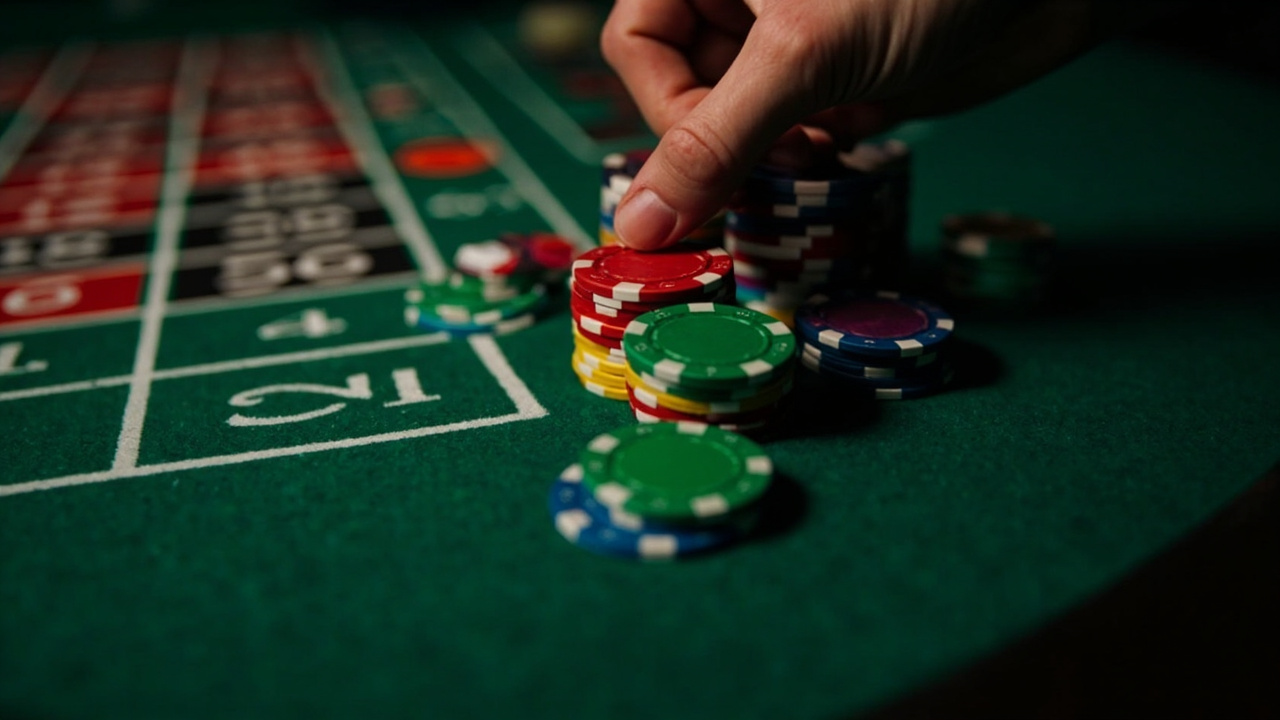
When you line up the deposit and withdrawal flows side by side, the poker vs pokies difference stops being a talking-point and becomes a practical decision. Pokies are built around short sessions, so operators tend to keep the cashier moving with quick card deposits, modest per-spin stakes, and bonus mechanics that reward volume rather than skill. Poker rooms work differently: you are usually buying into tables or tournaments, currency is often quoted in tournament chips or table buy-ins, and the flow is slower because the product is about sustained play and table selection. That difference shapes everything from how fast a balance changes to what kind of limits make sense for a normal night out.
I have watched a mate in Cairns sit down with a fixed night budget, play a couple of low-stakes hold’em tables for an hour, then step away because the rhythm suited him better than chasing spins. That is the kind of choice the cashier reveals early: pokies lean toward rapid turnover and frequent small decisions, while poker rooms ask for patience and stack management. If you want a quick reference for how the two products usually sit in an operator’s setup, this comparison is useful.
| Feature | Pokies | Poker tables |
|---|---|---|
| Typical stake pattern | Per-spin, often small and frequent | Table buy-in or tournament entry |
| Session shape | Short, self-contained rounds | Longer, hand-by-hand accumulation |
| Bonus focus | Free spins, deposit matches, volume incentives | Badges, tournament entries, reload structures |
| Currency display | Cash balance, spin-by-spin deduction | Chips or tournament credits, cash-out later |
The same operator can host both products, but the cashier rarely treats them identically, and that is worth noticing before you fund anything.
How the Two Products Behave Once You Are In
The pokies rhythm and what it costs
Pokies are designed around a fast, self-contained loop: pick a line or bet level, spin, and let the random outcome do the work. There is no opponent to read, which is convenient, but it also means the house edge is baked into the game mathematics rather than negotiated at a table. Bonus mechanics on pokies usually lean toward free spins, deposit matches, or tiered rewards that encourage more spins over time. From a review standpoint, I pay attention to whether those bonuses come with reasonable play terms and whether the cashier lets you move in and out without a pile of friction. A good pokies setup keeps stakes visible, lets you adjust bet size quickly, and does not hide the real cost of a session behind flashy animations.
The poker rhythm and what it asks of you
Poker is slower on purpose. You are buying time at a table, reading ranges, managing variance, and deciding when to fold a decent hand because the situation says so. The poker vs pokies difference shows up most clearly here: poker rewards discipline and table choice more than it rewards raw button-mashing. Operators that run poker rooms well tend to focus on stable table liquidity, clear tournament schedules, and bonus structures that do not punish ordinary play. I have seen a player in Cairns walk away from a quiet mid-week session with nothing flashy to show for it, but with a better sense of his own limits than he had walking in. That is a legitimate outcome, even if it does not photograph well.
A note on how memory shapes the night
There is a psychological wrinkle worth knowing: “peak-end” memory makes the biggest win and the final moment most memorable, which is why a single lucky spin can colour an entire session in your head. That same bias can make a quiet poker session feel disappointing even when you played sensibly. I am not saying either product is better because of how it feels afterward; I am saying the cashier and the game design both influence what you remember, so it helps to set expectations before you fund in.

“The poker vs pokies difference is less about glamour and more about what each product asks you to pay for,” says Grace Gibson, Compliance Director, Red Centre Analytics. “One is a rapid, odds-based loop; the other is a slower, decision-heavy environment. The cashier should reflect that, not blur it.”
Matching the Product to Your Own Priorities
If your priority is a short, low-fuss session with visible stakes and quick results, pokies usually fit that brief better. If you prefer a game where patience, table selection, and bankroll discipline matter more than a single spin, poker is the more natural fit. The poker vs pokies difference is not a moral judgement; it is a mismatch test. I tend to judge an operator by whether its cashier, bonus terms, and game mix actually respect that distinction, because blurring the two usually means one of them is not set up properly.
“Players often ask which product is more engaging, but the better question is which one matches their patience and budget,” says Emily Gibson, Gaming Technology Consultant, Coastal Wager Research. “A pokies row can be busy as a Saturday night and still be a perfectly ordinary night if the stakes are sensible. A poker table can be quiet and still be the right choice for someone who wants to think between hands.”
For people comparing operators, it also helps to check whether support and registration flows treat both products as separate experiences rather than lumping them together under one generic banner. If you are weighing an operator that runs both, it is worth reading how they present the cashier and bonus terms side by side, and then deciding whether that setup suits the kind of session you actually want. You can compare that kind of setup across a few operators at https://hellspinaustralia-online.com/au before you commit, because the details matter more than the banner on the homepage.
“The operators that age well are the ones that keep poker and pokies distinct in their cashier, support, and loyalty design,” says Amelia Jackson, Affiliate Partnerships Director, Harbour City Gaming Review. “When those pieces are consistent, players can choose the product that fits their night instead of being steered by a one-size-fits-all pitch.”
Verdict
The poker vs pokies difference comes down to what you are buying: a fast, odds-driven loop or a slower, decision-heavy table experience. If your focus is the cashier, stake pattern, and bonus terms, pokies usually suit shorter sessions and visible bet sizes, while poker suits players who want table choice, patience, and stack management. Neither is a shortcut to profit, and neither should be sold as one. Pick the product that matches your budget, your patience, and the way you actually want to spend an evening, then check that the operator’s setup respects that choice instead of smoothing it over.